Basic Hobby Info
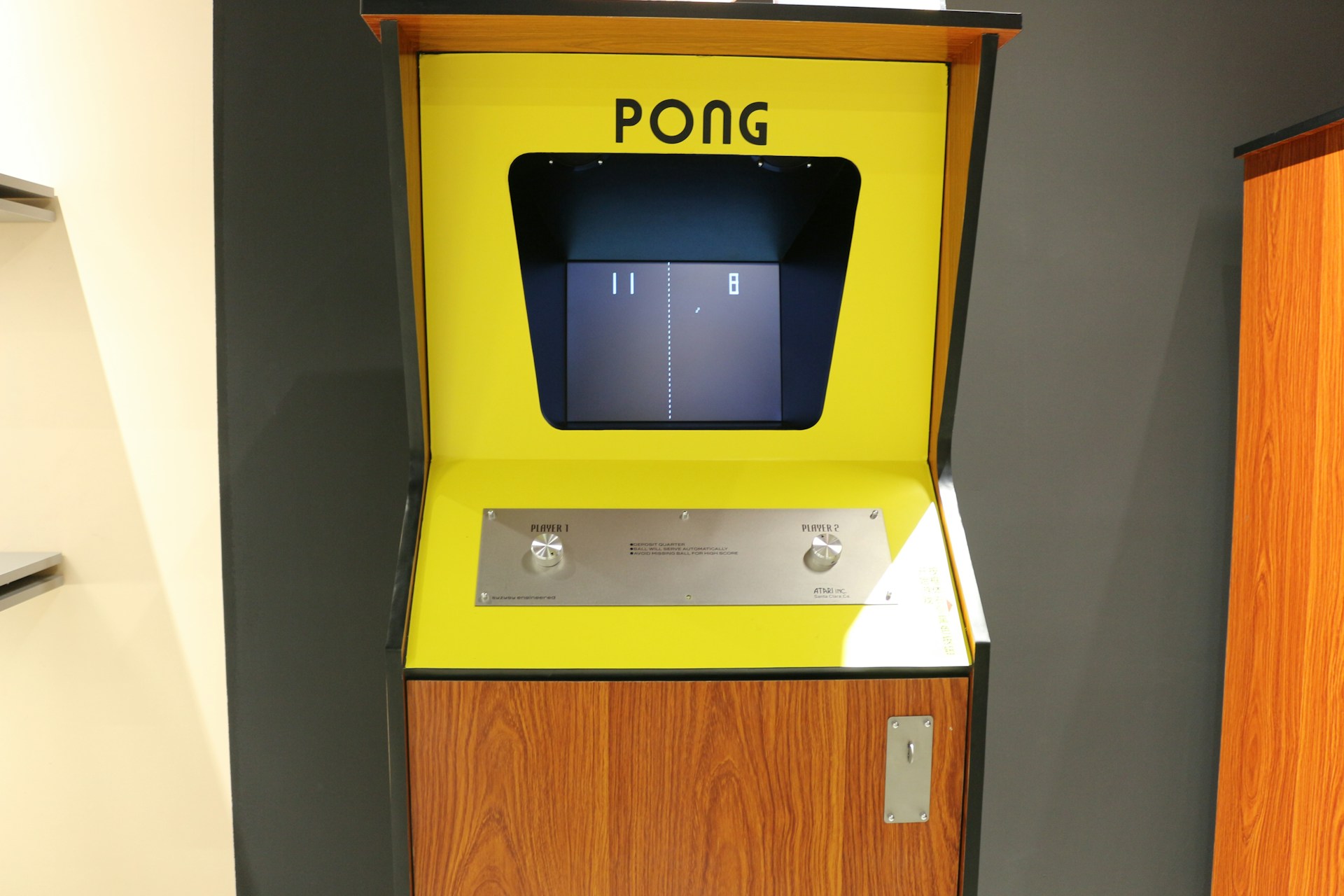
The roots of game development trace back to the 1950s and ’60s, when researchers and students began experimenting with simple computer-based games. In 1958, physicist William Higinbotham created Tennis for Two, an analog computer game displayed on an oscilloscope, and in 1962, MIT students developed Spacewar!, which ran on a DEC PDP-1 mainframe. These early experiments were never commercialized, but they laid the groundwork for the first generation of arcade and home-console games. In 1972, Atari’s Pong became the first commercially successful video game, igniting a rapid expansion of both arcade halls and console-based entertainment. Throughout the late 1970s and early ’80s, titans like Space Invaders, Pac-Man, and the Atari 2600 shaped public expectations, while rudimentary home computers (Atari 8-bit, Commodore PET, Apple II) empowered hobbyists to write and share their own titles, spawning the first indie developers. By the mid-’80s, the industry matured around more powerful hardware and standardized development tools. Nintendo’s NES and Sega’s Master System introduced strict cartridge licensing and quality controls, fostering iconic franchises such as Super Mario Bros. and Sonic the Hedgehog. On the PC side, text adventures (Infocom’s Zork) gave way to graphical adventures (Lucasfilm’s Maniac Mansion) and then to the birth of 3D with id Software’s Wolfenstein 3D (1992) and Doom (1993), which popularized the first-person-shooter genre. The late 1990s and 2000s saw the rise of 3D consoles (PlayStation, Nintendo 64, Xbox), increasingly sophisticated game engines (Unreal, id Tech), and online multiplayer platforms. Today, game development spans from massive AAA studios crafting photorealistic worlds to individual indie creators distributing via digital storefronts, with innovations in mobile gaming, streaming, and VR/AR continually redefining what a “game” can be. 1